
Understanding Why Your Air Conditioner Is Not Cooling and Common Causes to Consider
When summer heat hits, nothing is more frustrating than discovering your air conditioner isn’t cooling as it should. The discomfort can quickly escalate, turning your living space into an unbearable environment. Being aware of the possible reasons why your air conditioning unit may be underperforming is essential to find a swift solution.

Dirty Air Filters
Dirty or clogged air filters are among the top reasons for reduced efficiency in air conditioners. As filters collect dust, debris, and allergens, they restrict airflow, causing the system to work overtime. Not only does this lead to poor cooling, but it can also increase your energy bills.
To avoid this problem, make it a routine to check and clean your air filters regularly. Most manufacturers suggest cleaning them every 1 to 3 months. If you have pets or live in a dusty area, consider doing this more frequently.
Refrigerant Leak
Refrigerant is crucial for your air conditioning unit’s cooling process. A leak in the refrigerant lines can prevent the system from adequately removing heat from your home. Signs you might have a refrigerant leak include:
Ice forming on the evaporator coils
A hissing sound from the AC unit
A noticeable drop in cooling performance
If you suspect a refrigerant leak, it’s vital to contact a certified technician. Refrigerants require specific handling, so tackling this issue yourself isn't advisable.
Thermostat Issues
The thermostat acts as the brain of your air conditioning system. If it isn’t functioning correctly, your AC may struggle to cool your home. Common thermostat problems include:
Miscalibration
Direct exposure to sunlight, leading to inaccurate temperature readings
To address these, first try recalibrating. If issues persist, it may be necessary to consider upgrading to a new thermostat, especially if yours is older or outdated.
Blocked Condenser Unit
The outdoor condenser unit is vital for your air conditioning system’s operation. If it becomes obstructed by items like leaves, dirt, or grass, it won’t be able to dissipate heat effectively. This blockage can result in inefficient cooling, causing your AC to work harder and potentially leading to breakdowns.
Regular maintenance is key. Keep the area around the condenser unit clear by cleaning debris and ensuring there’s plenty of space for airflow. A good rule of thumb is to maintain at least 50cm of clearance around the unit.
Electrical Problems
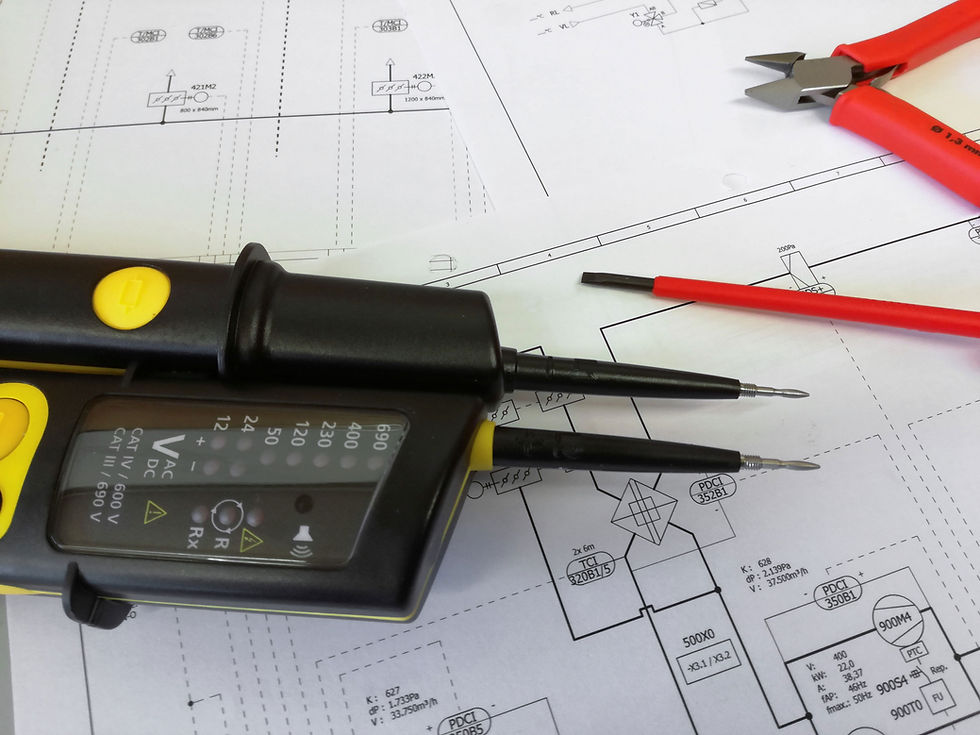
Electrical issues can severely impact your air conditioner’s cooling capabilities. Problems such as blown fuses, tripped circuit breakers, or faulty wiring can lead to significant interruptions. If your air conditioner suddenly stops and isn’t cooling, it may be an electrical malfunction.
In such cases, consulting with a qualified technician is the safest course of action to diagnose and fix any electrical problems.
Taking Proactive Steps for Comfort
If your air conditioner is not cooling as expected, understanding the common issues can empower you to take action. Regular maintenance, such as changing air filters and clearing the condenser unit of debris, can significantly enhance your system's cooling efficiency. For persistent problems, do not hesitate to reach out to a professional. By being proactive, you'll ensure your air conditioning system operates optimally, keeping your indoor environment comfortable all summer long.


Comments