
Troubleshooting Common Issues with Your Air Conditioning Controller
Air conditioning units have become essential for staying cool during hot weather. Many users encounter issues with their air conditioning controllers that disrupt their comfort. If your controller isn't working right, don't worry. This guide will help you identify common problems and their solutions, so you can quickly and effectively restore your cooling system.
Check the Power Supply
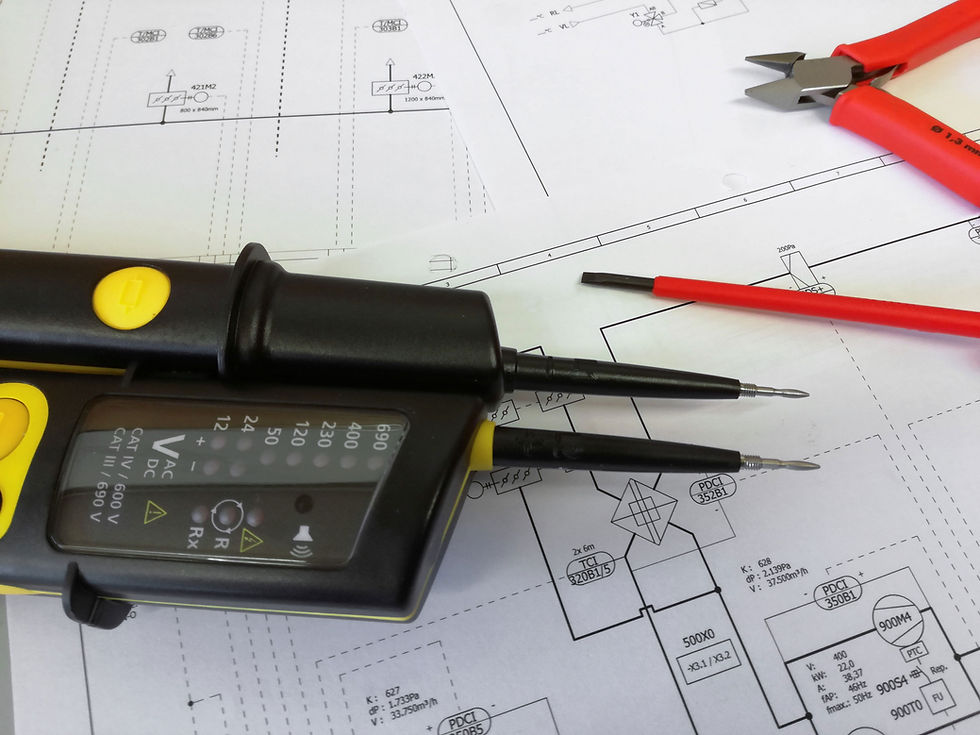
The first thing to do when troubleshooting your air conditioning controller is to ensure it has power. A common issue is a tripped circuit breaker or blown fuse. Check your electrical panel for any tripped breakers. We recommend contacting a licensed professional for any electrical fault finding.
Examine the Thermostat
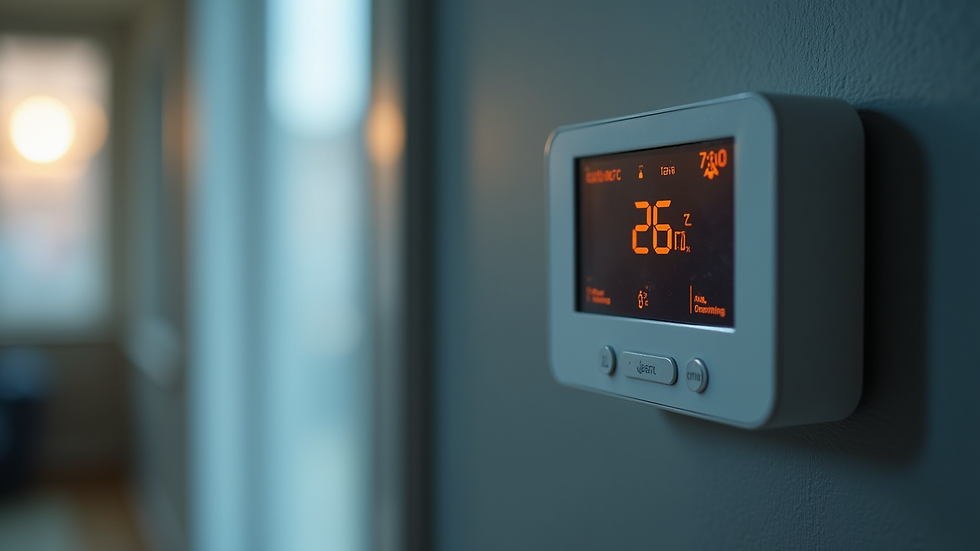
Your air conditioning system relies heavily on the thermostat. If it's not functioning properly, your unit might not cool effectively. Start by verifying the thermostat settings. Ensure it’s in "cool" mode and that the set temperature is lower than the current room temperature. For battery-operated thermostats, a dead battery could be the cause of the issue. Replacing it might solve your problem.
Look for Wiring Issues
Wiring problems can also prevent your air conditioning controller from working correctly. Check all visible wires connected to the controller and thermostat for signs of damage, such as fraying or corrosion. Even loose connections can disrupt power flow. If you notice any issues, it’s best to call a professional technician. They can safely handle any electrical repairs and ensure your system runs efficiently.
Reset the Controller
Sometimes, a simple reset can fix glitches in your air conditioning controller. Look for a reset button on the unit, or turn off the power for a few minutes. After reconnecting power, check if the controller responds. This quick fix often eliminates minor electronic faults, helping your system work properly again.
Monitor for Error Codes
Modern air conditioning controllers often come with built-in diagnostic tools that show error codes when problems arise. These codes can guide you toward specific issues. Refer to your owner's manual to understand what the error codes mean. Addressing the problem indicated by the code can often lead you straight to the solution, making it easier to get your system back online.
Seek Professional Help
If you've tried these steps and your air conditioning controller still isn't working, it might be time to contact a professional. HVAC technicians possess the expertise and tools needed to diagnose more complex problems. They can handle deeper system faults and ensure everything is running effectively.
Final Thoughts
Facing issues with your air conditioning controller can be frustrating, especially on hot days. By following these troubleshooting steps, you can address common problems and potentially save on costly repairs. If the issue continues, don’t hesitate to reach out to a professional to keep your cooling system functioning properly. A well-maintained air conditioning unit enhances comfort and increases energy efficiency, making these tips essential for any homeowner.


Comments